
The 200 Hour Multidisciplinary Yoga Teacher Training
at
Rock Creek Sports Club
8325 Grubb Road
Silver Spring, MD 20910
301-587-4447
with Daniel Hickman 500hr E-RYT / YACEP / NASM-CPT
and Ayanna Smith 200hr E-RYT
January 11, 2026 to June 28, 2026
The 200hr MYTT @RCSC
Sundays 12:00PM – 3:00PM
Jan 11, 18, 25 2026
Feb 1, 8, 15, 22 2026
Mar 1, 8, 15, 22, 29 2026
Apr 5, 12, 19, 26 2026
May 3, 10, 17, 24, 31 2026
Jun 7, 14, 21, 28 2026
Tuition: $2000.000
contact danielofthesun@gmail.com

The 200 Hour Multidisciplinary Yoga Teacher Training provides an experiential learning environment for you to study and apply myriad theories and techniques found in yoga & sitting meditation (sadhanas). This knowledge, and how it relates to modern life, is yours to develop through group and personal practice. You will gain ‘know how’ through direct experience. This includes the relationship to your body-mind-spirit, to others, your community and nature. You’ll be encouraged to use curiosity and critical thinking to develop your techniques and apply them in how you teach.
A through line of the 200hr MYTT is skillful communication. One of the mainstays is ecology. One more is nutrition. To steady your body/mind/spirit you will practice breathwork (pranayama)and posture/physicality (asana). To help you center you will practice sitting meditation (dhyana).
The foundation of the 200hr MYTT includes the study of Yogic, Buddhist and Taoist perspectives. Your personal present-day studies and practices will be a part of it as well. Be they the study of psychology, physiology, health & fitness, ecology, humanism, diversity, etc. These will assist you with the original intention of yoga – ‘self realization’ or ‘self actualization’.
MYTT Course Overview
- morals and ethics (yamas and niyamas)
- anatomy, physiology, movement/mobility, strength and flexibility (asana)
- respiration cultivation (pranayama)
- internalized consciousness (pratyahara)
- concentration techniques (dharana)
- sitting meditation (dhyana)
- integration awareness (samadhi)
- skilled speech (samma-vaca)
- study of literature (dhamma)
- chanting, slogans, mantras and mudras
- human behavior and psychology
- cross-culturalism, intergenerationality, diversity
- environmental awareness/ecology
- practice teaching and assisting
- 3 asana and 2 dhyana classes a week
- weekly Sunday sangha (community)
- 3 separate personal 30 day sadhanas (practices) that you design and self guide

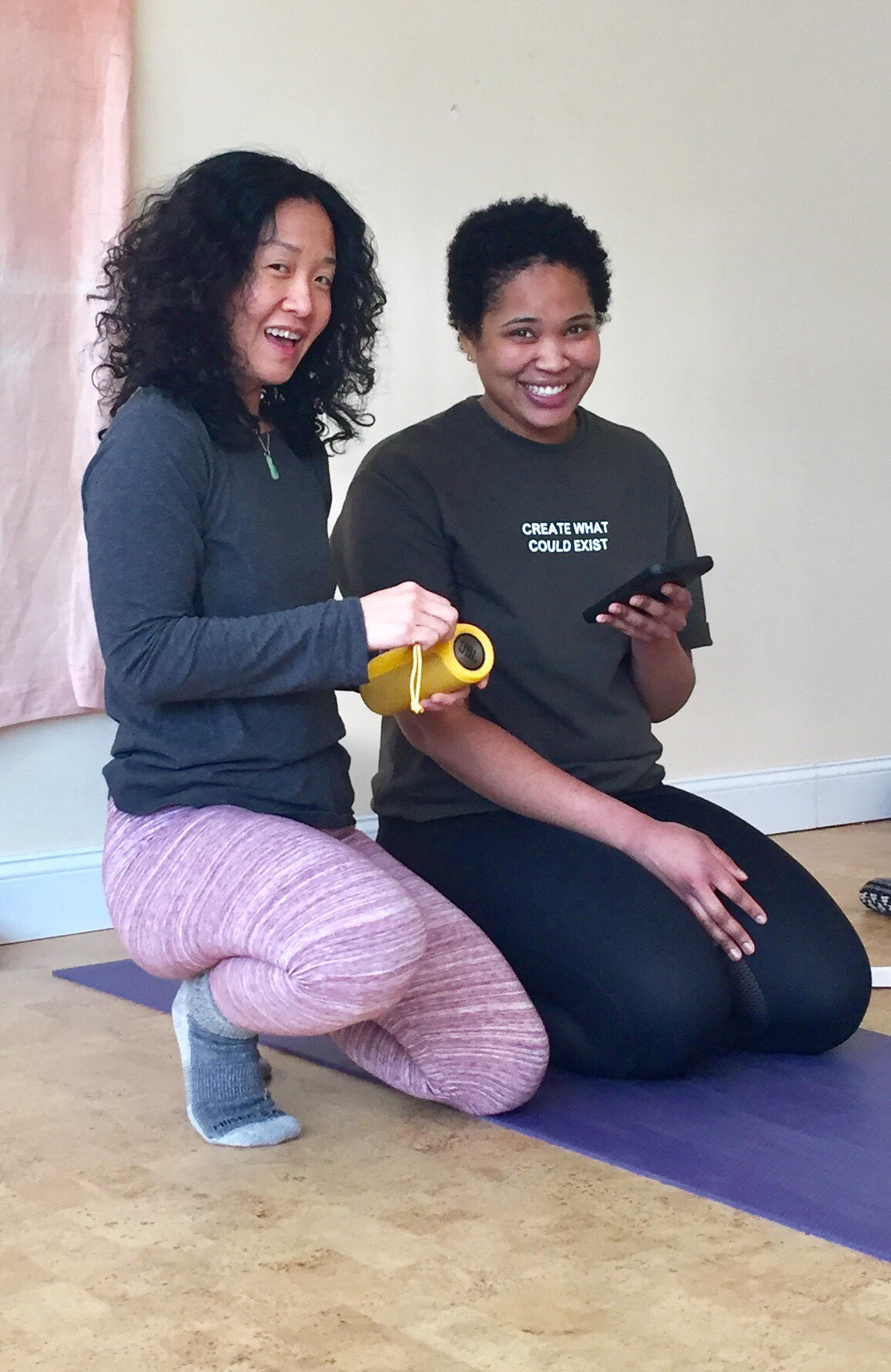


Course Curriculum
Techniques, Training and Practice
- multidisciplinary view of different styles of asanas, vinyasas (flows) and modern conditioning movements
- adaptations/variations of asanas, use of props (blocks, blankets, straps, etc.)
- explanation and application of the 3 major bandhas (core stabilization techniques)
- asanas for strength, flexibility and mobility
- common pranayamas (respiration cultivation) and their benefits/contraindications
- relaxation practices
- sitting meditation practices/techniques
- chanting & mantras, vocal modulation, tone, and tempo
Anatomy, Physiology and Kinesiology
- review of the eleven organ systems in the human body
- integumentary, skeletal, muscular, nervous, endocrine, cardiovascular, lymphatic/immunity, respiratory, digestive, urinary, female & male reproductive
- energetic anatomy from Indian, Chinese and Japanese perspectives
- posture, alignment, healthy movement patterns, ergonomics, vocational stress and misuse of the body
- the feedback loop of your body, mind and life force (prana aka qi)
- body types from the eastern and western perspectives
- ‘form follows function’ as it relates to the human body
- ‘flight-flight-freeze-fawn’ stress response, ventral vagal state and sympathetic/parasympathetic nervous systems
Lifestyle, Philosophy and Psychology
- the historical roots of yoga
- the layers of the self (koshas)
- eastern and western perspectives of the self
- classifications of traditional yoga
- the eight limbed path of yoga
- the eight fold path of Buddhism
- the tao te ching (the way and its energy)
- two western mind body systems – Alexander Technique and Feldenkrais Method
- morals, ethics, considerations, obligations, intent and impact
- student – teacher relationship, community service and ecological responsibility
- spirituality and humanism
Multidisciplinary Yoga Teaching Methodology
- respecting people’s and your own time
- setting the tone/vibe of the class
- voice care/chanting, projection, articulation, delivery and cadence
- keeping music reasonable, and when to not use music
- leading a class that is entirely on the floor for ‘non-striving’ (wu wei)
- leading a class with long holds of each asana (hatha)
- leading a surya namaskar (sun salute) as a basis for vinyasa (progressive movement aka ‘flow’)
- how to sequence, link, transition and pace
- exercising, motion and stillness
- the importance of demonstrating
- assisting rather than ‘adjusting’
- the quality of touch and respecting boundaries
- when to use pranayama
- creating space for relaxation
- techniques to teach sitting meditation (talk less and let them meditate)
- teaching in different environments and for unique populations
- the differences of instructing, leading, teaching and guiding
Practicum
- give and receive feedback
- practice teach 1 asana, 1 pranayama, and a brief dhyana
- practice teach a short session of asanas, pranayamas and dhyanas
- practice teach a:
- 20 minute complete yoga class with asana, pranayama and dhyana
- 40 minute complete yoga class with asana, pranayama and dhyana
- 60 minute complete yoga class with asana, pranayama and dhyana
- design a complete yoga class for a once a week 4 to 8 week period
- fellowship of sangha, shadow a yoga teacher, and mentorship
Professionalism
- what it means to be a professional
- punctuality, consistency, decency & cleanliness
- moral and ethical obligations, code of conduct
- Yoga Alliance registration, and other organizations
- CPR Certification
- liability insurance
- waivers, invoices
- continued education, refining your practice
- advertising, marketing, promotions
Requirements
- attend a minimum of 3 yoga classes a week
- attend a minimum of 2 meditation sessions a week
- attend the 3 hour training sessions on Sundays
- read/study all course materials and literature
- actively participate in your three separate personal 30 day sadhanas
- community service (seva)
- practice teach complete yoga classes of various lengths
- take written monthly quizzes and one final exam
- write an essay about your yoga


– Old Rag Mountain SNP, VA
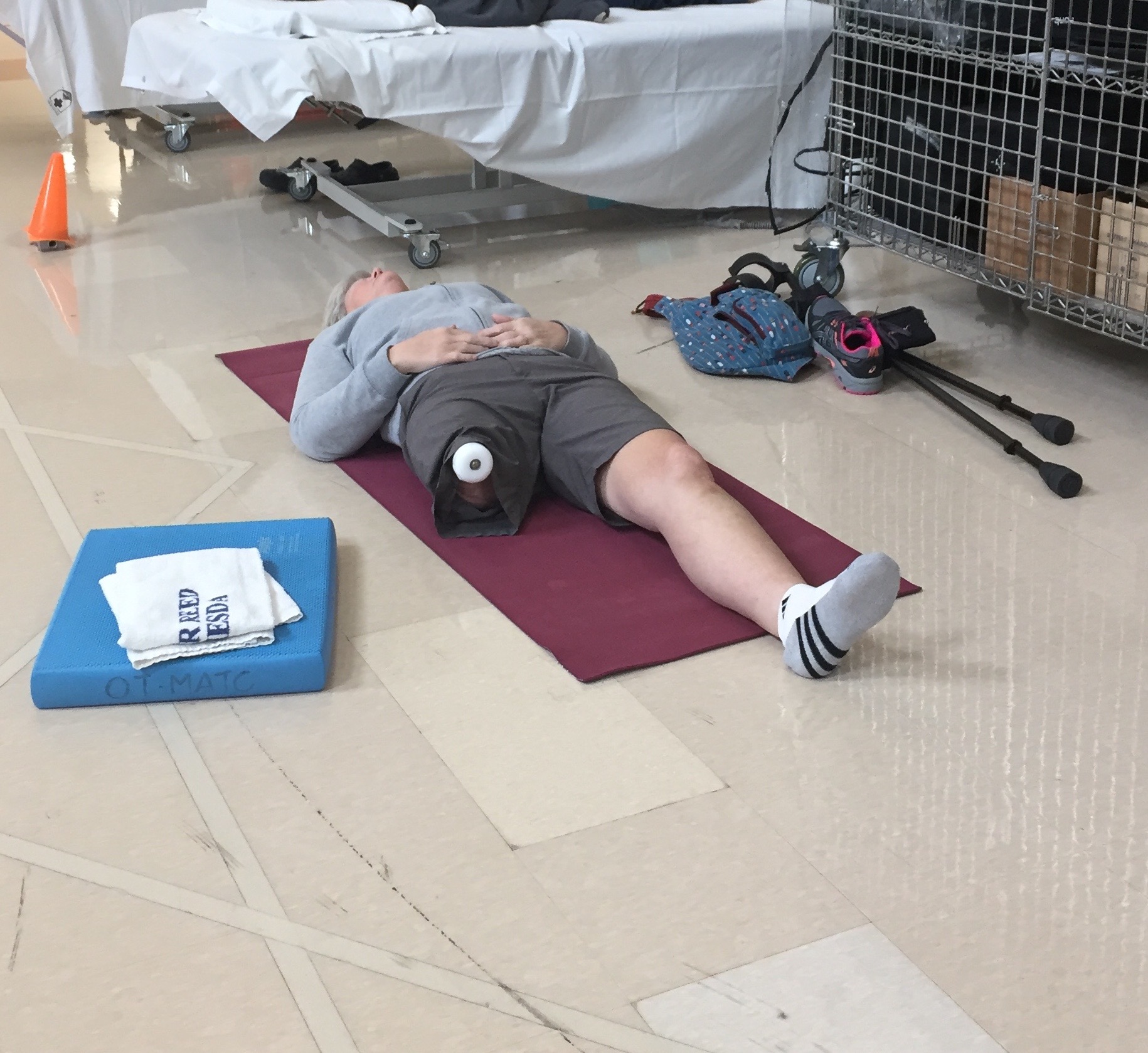
What makes the 200hr MYTT unique?
The myriad subject matters, tools and techniques that you will experience in the 200hr MYTT stem from: 7 different movement modalities, 3 different meditation styles, 3 distinct belief systems, and includes the study of contemporary psychology, nutrition and exercise science.
Each community (sangha) of trainees creates a unique atmosphere for studying, practicing and teaching yoga. Every Sunday from Noon to 3:00PM, from the winter to the summer of 2025, you will take part in an exploration of mind-body systems and how they relate to your life. You will be encouraged to trust your instinct and work with your layers (koshas). You will develop your voice, personal style and own way of teaching.
The 200hr MYTT is a learning process, based on experience and observation, that is community focused and not teacher centric.

Study yoga, meditation and spiritual life! Learn how you can cultivate and utilize it, both on and off the mat or zafu. Whether to deepen and refine your own practice, or if you want to teach and share, the MYTT is open to all.
All Are Welcome
Copyright © 2010-2025 Daniel Hickman
 Daniel Hickman E-RYT 500 / YACEP / NASM-CPT